

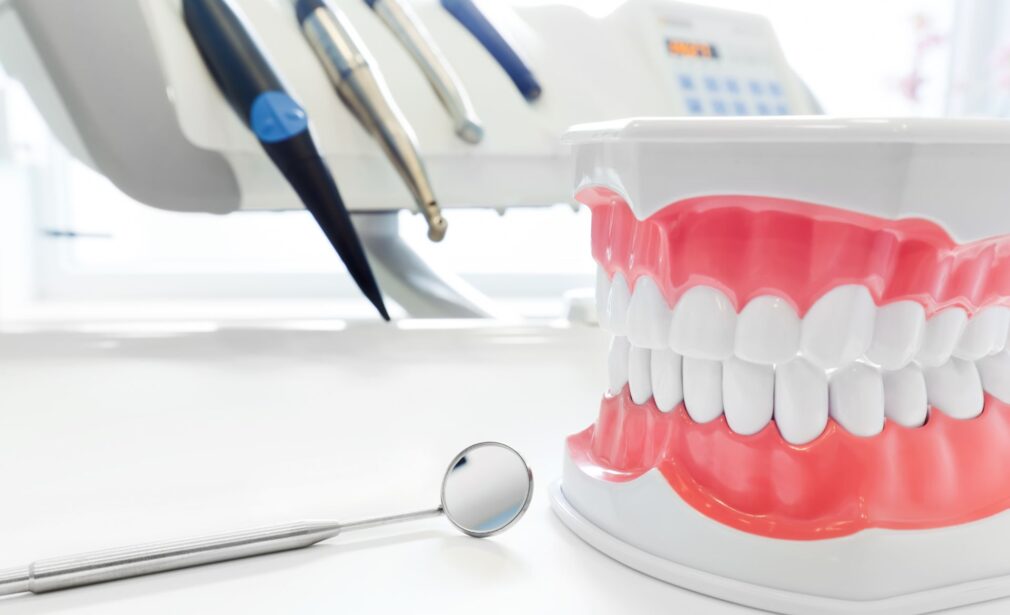
Digital Dentistry in Chandigarh
Digital technology is changing how dental conditions are examined, planned and treated. From digital dental records and intraoral scanning to virtual smile planning and computer-supported restorative workflows, digital dentistry in Chandigarh can make selected stages of dental care more visual, organized and personalized.
Digital dentistry refers to the use of computer-based tools during dental diagnosis, treatment planning, communication or restoration design. Depending on the patient’s needs and the technology used for a particular case, a digital workflow may support cosmetic dentistry, clear-aligner treatment, dental implants, crowns, bridges and full mouth rehabilitation.
Hollywood Smile provides personalized dental care for patients seeking modern and carefully planned treatment. The clinic is led by Dr. Prashant, MDS Endodontist, who has more than 15 years of professional experience.
Visit Hollywood Smile at SCO 139–140, First Floor, Sector 9C, Chandigarh 160009, or call +91-8288838222 to schedule a dental consultation.
What Is Digital Dentistry?
Digital dentistry includes dental procedures or workflows that use digital tools instead of—or alongside—traditional methods. These tools may assist with recording the teeth, evaluating dental structures, planning treatment and communicating the proposed outcome.
A digital dental workflow may involve:
- Digital dental records
- Intraoral photographs
- Digital X-rays
- Intraoral scanning
- Three-dimensional dental imaging
- Computer-based smile planning
- Digital clear-aligner planning
- Virtual implant planning
- Computer-aided restoration design
- Digital communication with a dental laboratory
- Monitoring treatment progress
Not every patient needs every digital technology. The appropriate tools depend on the dental condition and the treatment being considered.
Patients searching for a digital dental clinic in Chandigarh should ask which technologies will be used in their specific case and how they support diagnosis or treatment.
How Digital Dentistry Supports Patient Care
Digital tools are not a replacement for clinical experience or a complete dental examination. They support the dentist by organizing information, improving visualization and helping plan selected treatment stages.
A digital workflow may allow patients to view enlarged images or digital representations of their teeth. This can make it easier to understand cavities, worn teeth, alignment concerns, missing teeth and proposed restorations.
Digital records can also help compare changes over time. For example, scans or photographs taken at different appointments may support the monitoring of tooth movement, wear or restorative treatment.
The final decision should always be based on professional assessment rather than software alone.
Digital Dental Consultation
A digital dental consultation begins with the same essential step as any other dental appointment: understanding the patient’s concern.
The dentist discusses symptoms, dental history, medical history and treatment expectations. A clinical examination is then completed to evaluate the teeth, gums, bite and surrounding oral tissues.
Depending on the concern, digital photographs, X-rays, scans or other records may be recommended. The collected information supports diagnosis and treatment planning.
Digital records may also improve communication by allowing the dentist to show the patient specific areas of concern and explain suitable treatment options more clearly.
Digital Dental Technologies
Different digital tools serve different purposes. Their use depends on the procedure and clinical requirements.
Digital Dental X-Rays
Digital dental X-rays may assist in identifying conditions that cannot be seen during a visual examination. These may include cavities between teeth, infection near tooth roots, bone changes and impacted teeth.
The type and timing of X-rays depend on the patient’s symptoms, age, history and clinical findings. They are not automatically required at every visit.
Digital images can generally be viewed on a screen, allowing the dentist to enlarge areas and explain relevant findings.
Intraoral Photography
Intraoral photographs provide detailed images of the teeth and gums. They may help document cracks, staining, worn teeth, damaged restorations and cosmetic concerns.
These photographs can improve communication between the dentist and patient. They may also be used to record the starting condition and compare it with treatment progress.
Intraoral photography complements a clinical examination but does not replace diagnostic X-rays or other investigations when they are required.
Intraoral Scanning
An intraoral scanner creates a digital record of the teeth and bite. In suitable cases, it may provide an alternative to conventional impression materials.
A small scanning device records the surfaces of the teeth from different angles. Software then combines these images to create a three-dimensional model.
Digital dental scans may support the planning of:
- Dental crowns
- Dental bridges
- Veneers
- Clear aligners
- Retainers
- Implant-supported restorations
- Night guards
- Selected dentures
- Bite analysis
The suitability and accuracy requirements depend on the planned treatment.
Three-Dimensional Dental Imaging
Three-dimensional imaging may be recommended for selected implant, surgical, orthodontic or complex dental cases. It can provide additional information about teeth, roots, jawbone and nearby anatomical structures.
Not every dental condition requires 3D imaging. The decision should be based on whether the scan will provide clinically useful information that cannot be obtained through simpler methods.
Patients considering implants or complex rehabilitation may be advised about appropriate diagnostic imaging during their consultation.
Digital Smile Design
Digital smile design uses photographs, scans and computer-based planning to evaluate possible changes in tooth shape, size, colour and alignment.
It may help patients visualize the direction of a cosmetic treatment plan before final restorations are completed. However, a digital preview is a communication and planning tool rather than a guaranteed representation of the final result.
The actual result depends on oral health, tooth structure, gums, bite, selected materials and biological response.
Patients searching for digital smile design in Chandigarh can discuss whether digital planning is appropriate for their cosmetic concerns.
Digital Clear-Aligner Planning
Clear-aligner treatment uses digital records to plan a sequence of tooth movements. A scan or impression records the starting position of the teeth, and computer software helps prepare the intended stages.
A digital simulation may show the proposed direction of movement. Actual treatment still requires professional monitoring because teeth may respond differently from the initial plan.
Attachments, elastics, refinement aligners or adjustments may be required according to treatment progress.
Digital Implant Planning
Digital implant planning may combine three-dimensional imaging with information about the teeth and gums. This can support the evaluation of available bone, implant position and the planned replacement tooth.
In selected cases, a surgical guide may be considered to help transfer the digital plan to the clinical procedure.
Implant suitability still depends on gum health, bone quality, medical history, oral hygiene and other clinical factors. Digital planning cannot eliminate every risk or guarantee treatment success.
Computer-Aided Restorative Dentistry
Computer-aided design and manufacturing workflows may assist in creating selected crowns, bridges, veneers, inlays, onlays and implant restorations.
Digital records can be shared with a dental laboratory or used within an appropriate restorative workflow. The restoration is designed according to tooth preparation, bite and aesthetic requirements.
The time required to complete a restoration varies. The use of digital records does not always mean that the final crown or bridge will be delivered on the same day.
Digital Dentistry for Dental Crowns
A dental crown restores and protects a weakened or damaged tooth. Digital scanning may be used to record the prepared tooth, neighbouring teeth and bite.
The digital information can support the design and fabrication of the crown. The final restoration must still be assessed for fit, contact with neighbouring teeth, bite and appearance.
Crown material is selected according to the tooth’s location, remaining structure, bite forces and aesthetic requirements.
Digital Dentistry for Dental Veneers
Veneers are thin restorations placed over the visible surfaces of selected teeth. Digital photographs, scans and smile-planning tools may support the evaluation of tooth proportions and proposed changes.
A digital preview can help communicate preferences regarding tooth length, shape and smile balance. The dentist must also assess enamel, gum health and bite before recommending veneers.
Patients should not select veneers based only on a computer-generated image. Clinical suitability and conservative tooth preparation remain important.
Digital Dentistry for Clear Aligners
Clear aligners are among the most familiar applications of digital dentistry. Digital records are used to evaluate the teeth and plan a series of customized trays.
Patients may be able to view a simulation of intended tooth movement before treatment begins. Progress must then be monitored through follow-up appointments.
Clear aligners are not suitable for every orthodontic condition. Complex movement or bite concerns may require fixed braces or another treatment method.
Digital Dentistry for Dental Implants
Replacing a missing tooth with an implant requires coordination between the planned implant position and the final crown or bridge.
Digital planning may help evaluate available bone and visualize the relationship between the implant and surrounding structures. It can also support planning from the desired final tooth position.
The dentist must still consider gum health, medical history, bite and long-term maintenance before recommending treatment.
Digital Dentistry for Full Mouth Rehabilitation
Full mouth rehabilitation may involve restoring multiple damaged, worn or missing teeth. Digital scans, photographs and bite records may help organize information and plan different treatment stages.
Digital tools can support communication between the dentist, patient and dental laboratory. They may also help evaluate tooth proportions and the relationship between upper and lower teeth.
Complex rehabilitation still requires detailed clinical judgment. Digital software supports the process but cannot replace examination, experience and ongoing adjustments.
Digital Dentistry for Root Canal Treatment
Root canal treatment involves diagnosing and treating infection within a tooth. Digital X-rays may help assess the tooth, roots and surrounding structures before, during or after treatment when clinically necessary.
Other magnification, measurement or imaging systems may also support particular stages of endodontic care, depending on the case and available workflow.
Hollywood Smile is led by Dr. Prashant, MDS Endodontist, and provides individualized evaluation for tooth pain, infection and root canal-related concerns.
Digital Dentistry for Preventive Care
Digital records may support preventive dentistry by documenting the current condition of teeth, gums and restorations.
Photographs and scans can help monitor:
- Tooth wear
- Gum recession
- Damaged fillings
- Changes in alignment
- Cracks or chipped teeth
- Bite-related changes
- Existing crowns and bridges
- Areas that are difficult to clean
Regular dental examinations remain necessary because digital records alone cannot identify every clinical problem.
Benefits of Digital Dentistry
Depending on the treatment and technology used, digital dentistry may offer several benefits:
- Detailed visual dental records
- Improved communication with patients
- Three-dimensional representation of teeth
- Support for personalized treatment planning
- Easier comparison of records over time
- Digital transfer of information
- Support for restorative design
- Visual planning for cosmetic treatment
- Organized clear-aligner workflows
- Assistance with implant planning
- Reduced reliance on conventional impressions in suitable cases
The benefits vary by procedure. A digital workflow does not automatically make every treatment faster, painless or successful.
Is Digital Dentistry Accurate?
Digital dental systems can provide detailed records when they are selected and used appropriately. Accuracy depends on the equipment, scanning technique, clinical conditions, software and treatment requirements.
Moisture, limited access, patient movement and the type of restoration may affect how records are collected. The dentist determines whether a digital scan, conventional impression or combination of methods is more suitable.
Every crown, bridge, aligner or implant restoration still requires clinical evaluation before treatment is finalized.
Is Digital Dentistry Comfortable?
Some patients find intraoral scanning more comfortable than traditional impression material because the teeth can be recorded using a handheld scanning device.
However, comfort varies according to the size of the scanning device, the area being recorded and the patient’s ability to keep their mouth open.
Digital dentistry does not mean that every dental procedure is free of discomfort. Anaesthesia and normal clinical care may still be required for tooth preparation, surgery or other treatments.
Is Digital Dentistry Safe?
Digital tools used in dentistry have different purposes and safety considerations. Intraoral photographs and optical scans do not perform the same function as dental X-rays.
X-rays and 3D imaging use radiation and should be recommended when clinically justified. The dentist selects an appropriate imaging method according to the information needed.
Patients should inform the clinic about pregnancy, medical conditions and any concerns before diagnostic imaging or treatment.
Digital Dentistry Cost in Chandigarh
The cost of digital dentistry in Chandigarh depends on the examination, records and dental treatment required. Digital dentistry is not one separate procedure with one standard price.
Cost may be influenced by:
- Type of digital scan
- Need for dental X-rays
- Three-dimensional imaging
- Complexity of treatment planning
- Number of teeth involved
- Type of crown, bridge or veneer
- Clear-aligner system
- Dental implant treatment
- Laboratory requirements
- Number of appointments
- Follow-up and monitoring
An accurate estimate can be provided after the dentist evaluates the patient and identifies which digital records or treatments are appropriate.
Why Choose Hollywood Smile?
Digital tools are most useful when combined with careful examination, diagnosis and professional experience. Hollywood Smile provides individualized dental treatment planning rather than recommending technology without a clear clinical purpose.
Patients choose Hollywood Smile for:
- Care led by Dr. Prashant, MDS Endodontist
- More than 15 years of professional experience
- Personalized dental evaluation
- Clear explanation of diagnostic findings
- Digital workflow assessment where appropriate
- Cosmetic smile-planning consultations
- Clear-aligner treatment assessment
- Crown, bridge and veneer planning
- Dental implant evaluation
- Full mouth rehabilitation planning
- Follow-up according to treatment needs
- Convenient Sector 9C Chandigarh location
Our aim is to use suitable diagnostic and planning methods to support informed, patient-focused dental care.
Frequently Asked Questions
What is digital dentistry?
Digital dentistry uses computer-based tools to record, evaluate, plan or support dental treatment. It may include digital X-rays, photographs, intraoral scans, digital smile design and computer-aided restorative workflows.
What is a digital dental scan?
A digital dental scan creates a three-dimensional record of the teeth and bite using a scanning device. It may be used for crowns, aligners, retainers and other treatments.
Is digital scanning better than traditional impressions?
Digital scanning may be more comfortable and convenient in suitable cases. However, the best recording method depends on the treatment and clinical conditions.
Can digital dentistry show my future smile?
Digital smile planning may provide a preview of proposed changes. The image is a planning tool and cannot guarantee the exact final outcome.
Is digital dentistry used for clear aligners?
Yes. Digital records and computer-based planning are commonly used to prepare a sequence of clear aligners.
Can digital technology help with dental implants?
Three-dimensional imaging and digital planning may support implant-position assessment and restoration planning in suitable cases.
Does digital dentistry mean same-day treatment?
No. Some digital workflows may reduce particular steps, but treatment time depends on the procedure, laboratory process, healing and clinical requirements.
Are digital dental X-rays safe?
Dental X-rays should be used when clinically justified. The dentist selects the appropriate imaging method according to the information required.
How much does digital dentistry cost?
The cost depends on the digital records and dental procedures required. A consultation is necessary for an accurate treatment estimate.
How can I book a digital dental consultation?
Call Hollywood Smile at +91-8288838222 to schedule your appointment.
Book a Digital Dentistry Consultation in Chandigarh
Digital tools can support diagnosis, treatment planning, patient communication and the design of selected dental restorations. The right digital workflow depends on your dental condition and proposed treatment.
Visit Hollywood Smile, SCO 139–140, First Floor, Sector 9C, Chandigarh 160009, or call +91-8288838222 to book your consultation.