

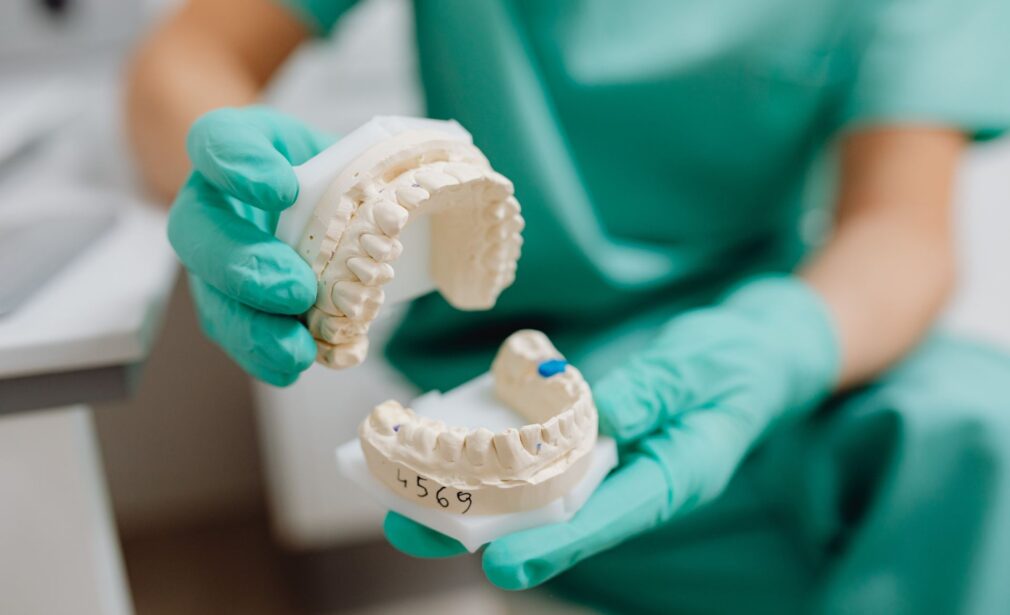
Full Mouth Rehabilitation in Chandigarh
Multiple damaged, worn, infected or missing teeth can affect your ability to eat, speak and smile comfortably. They may also disturb your bite and place additional pressure on the remaining teeth and jaw joints. Full mouth rehabilitation in Chandigarh is a personalized dental treatment approach designed to restore the health, function and appearance of the complete mouth.
Full mouth rehabilitation—also known as full mouth reconstruction or complete mouth restoration—may combine several dental procedures within one coordinated treatment plan. Depending on your condition, treatment may include root canal therapy, dental crowns, bridges, implants, dentures, gum care, tooth-coloured restorations, bite correction and cosmetic dentistry.
Hollywood Smile provides individualized full mouth dental treatment in Chandigarh for patients with complex restorative needs. The clinic is led by Dr. Prashant, MDS Endodontist, who has more than 15 years of professional experience.
Visit Hollywood Smile at SCO 139–140, First Floor, Sector 9C, Chandigarh 160009, or call +91-8288838222 to schedule your consultation.
What Is Full Mouth Rehabilitation?
Full mouth rehabilitation is the planned restoration of several or all teeth in the upper and lower jaws. Its purpose is to improve oral health, restore comfortable chewing, stabilize the bite and enhance the appearance of the smile.
Unlike a single filling, crown or implant, a full mouth reconstruction considers how all the teeth work together. It also evaluates the gums, jawbone, bite, facial proportions and condition of existing dental restorations.
Every treatment plan is different. One patient may require root canal treatment and crowns for multiple damaged teeth, while another may need dental implants and bridges to replace missing teeth. Some patients may require a combination of restorative, cosmetic and gum treatments.
A detailed examination is necessary before recommending complete mouth rehabilitation in Chandigarh because the treatment must address both immediate dental problems and long-term function.
Who May Need Full Mouth Reconstruction?
Full mouth dental rehabilitation may be considered when several dental problems are present at the same time.
You may benefit from an evaluation if you have:
- Multiple missing teeth
- Several broken or severely damaged teeth
- Extensively worn or shortened teeth
- Repeated dental infections
- Multiple large or failing fillings
- Difficulty chewing food
- An unstable or uncomfortable bite
- Loose or unsuitable dentures
- Old crowns or bridges requiring replacement
- Teeth damaged by grinding or clenching
- Advanced decay affecting several teeth
- Changes in facial appearance due to tooth loss
- A combination of functional and cosmetic concerns
Not every patient with multiple dental problems requires complete reconstruction. The dentist will determine which teeth can be preserved, which require restoration and whether any teeth need replacement.
Causes of Extensive Dental Damage
Complex dental problems can develop for several reasons. Understanding the underlying cause is important because treatment should address both the damage and the factors that contributed to it.
Common causes include:
- Long-standing untreated tooth decay
- Gum disease and loss of tooth support
- Dental trauma or accidents
- Teeth grinding or clenching
- Acid erosion
- Missing teeth left unreplaced
- Repeated failure of old restorations
- Developmental dental conditions
- Bite-related problems
- Poorly fitting dentures
- Delayed dental treatment
- Natural wear combined with other risk factors
If grinding, gum disease or another active problem is not managed, newly restored teeth may remain at risk. A comprehensive plan therefore focuses on diagnosis, prevention and restoration.
Full Mouth Rehabilitation Consultation
A full mouth rehabilitation consultation is more detailed than an examination for a single tooth. The dentist needs to understand the complete dental condition and how different problems are connected.
Discussion of Your Concerns
The consultation begins with a discussion about pain, difficulty chewing, missing teeth, previous dental treatments and the changes you would like to make.
Your medical history, medicines, lifestyle habits and previous dental experiences may also influence the treatment plan.
Complete Oral Examination
The dentist evaluates the teeth, gums, bite, jaw movement and existing dental restorations. Each tooth is assessed to determine whether it is healthy, restorable or requires replacement.
The examination may also identify tooth wear, decay, fractures, gum recession, infection and areas of excessive bite pressure.
Diagnostic Records
Dental X-rays, photographs, impressions or digital scans may be recommended according to the case. These records help assess tooth roots, jawbone, existing restorations and the relationship between the upper and lower teeth.
Additional investigations may be required before implant placement or other complex procedures.
Personalized Treatment Planning
After diagnosis, treatment options are organized into a logical sequence. Urgent concerns such as pain or infection are generally addressed before definitive restorative and cosmetic treatment.
The plan should explain which teeth can be saved, which treatments are recommended, the likely timeline, maintenance requirements and factors affecting cost.
Treatments Used in Full Mouth Rehabilitation
Full mouth rehabilitation may combine several procedures. Only the treatments required for the individual patient should be included.
Root Canal Treatment
Root canal treatment may be required when decay, cracks or trauma cause infection inside a tooth. The infected tissue is removed, the canals are cleaned and sealed, and the tooth is restored.
Hollywood Smile is led by Dr. Prashant, MDS Endodontist, and provides evaluation for complex root canal-related concerns. After root canal treatment, a dental crown may be recommended to protect the weakened tooth.
Dental Crowns
Dental crowns cover and protect damaged, weakened or heavily restored teeth. They may help restore tooth shape, strength, appearance and function.
In full mouth reconstruction, multiple crowns may be planned together so their height, contours and bite relationships work in harmony. The selected crown material depends on tooth position, bite forces and aesthetic requirements.
Dental Bridges
A dental bridge replaces one or more missing teeth by receiving support from neighbouring teeth or implants. It can help restore chewing and prevent a visible gap in the smile.
The supporting teeth, gums and bite must be evaluated before a bridge is recommended. A dental implant may sometimes provide an alternative that does not depend on adjacent teeth in the same way.
Dental Implants
Dental implants are fixed solutions for replacing missing teeth. An implant is positioned in the jawbone and supports a crown, bridge or full-arch restoration.
Implant suitability depends on bone availability, gum health, medical history, oral hygiene and the number of missing teeth. Full mouth dental implants may be considered when many or all teeth are missing, but detailed planning is essential.
Full and Partial Dentures
Complete or partial dentures may be included in a rehabilitation plan when multiple teeth are missing. Dentures can restore facial support, speech and basic chewing function.
Some patients may also be considered for implant-supported dentures, which use dental implants to improve retention and stability.
Tooth-Coloured Fillings
Smaller cavities and selected damaged areas may be restored using tooth-coloured filling materials. These restorations are designed to repair the tooth while coordinating with its natural appearance.
The choice between a filling, inlay, onlay or crown depends on how much healthy tooth structure remains.
Gum Disease Treatment
Healthy gums provide the foundation for crowns, bridges, implants and natural teeth. Bleeding, swelling, gum recession, loose teeth and bone loss must be evaluated before final restorations are placed.
Treatment may include professional cleaning, scaling, deeper gum care and personalized oral-hygiene guidance.
Bite Correction
The bite refers to how the upper and lower teeth contact each other. Missing, worn or poorly positioned teeth can create uneven pressure and affect chewing comfort.
Bite correction may involve reshaping selected restorations, rebuilding worn teeth, orthodontic treatment or carefully planning the height and position of new crowns.
Braces and Clear Aligners
Braces or clear aligners may be recommended when tooth position prevents predictable restorative treatment. Improving alignment can create suitable spaces, distribute bite forces and reduce the need for extensive tooth preparation.
Orthodontic treatment may be completed before final crowns, veneers, bridges or implants.
Cosmetic Dentistry
Once dental health and function are stabilized, cosmetic treatments may refine tooth colour, shape and overall smile balance.
Professional whitening, dental veneers, cosmetic bonding or tooth-coloured restorations may be included when clinically appropriate.
Full Mouth Rehabilitation Treatment Stages
Because full mouth restoration can involve multiple procedures, treatment is usually completed in stages.
Stage One: Managing Pain and Infection
Urgent problems such as severe toothache, swelling, broken teeth or active infection are addressed first. This may involve root canal treatment, extraction or temporary restoration.
Stage Two: Stabilizing Teeth and Gums
Cavities, gum disease and other active dental problems are treated. Teeth that can be preserved are stabilized before permanent restorations are planned.
Stage Three: Restoring or Replacing Teeth
Crowns, bridges, implants, dentures or other restorations are provided according to the treatment plan. The sequence depends on healing and the relationship between different procedures.
Stage Four: Refining the Bite and Smile
The fit, bite and appearance of the restorations are evaluated. Necessary adjustments are made to support comfort, function and smile balance.
Stage Five: Maintenance
After rehabilitation is complete, regular examinations, professional cleaning and home care are required to protect the restored mouth.
Benefits of Full Mouth Rehabilitation
A carefully planned full mouth reconstruction may offer several benefits:
- Restoration of damaged teeth
- Replacement of missing teeth
- Improved chewing ability
- Better bite stability
- Improved speech in selected cases
- Reduced pressure on remaining teeth
- Better facial support
- Improved smile appearance
- Replacement of unsuitable old restorations
- Greater confidence while eating and smiling
- A coordinated approach to multiple dental problems
Results vary according to the starting dental condition, selected procedures, general health and long-term maintenance.
Full Mouth Rehabilitation for Worn Teeth
Teeth can become worn because of grinding, clenching, acid erosion, an unstable bite or long-term dental habits. Severe wear can shorten teeth, expose sensitive layers and change the way the upper and lower teeth meet.
Treatment for worn teeth begins by identifying the cause. Simply covering worn teeth without managing ongoing grinding or erosion may place new restorations at risk.
Depending on the condition, treatment may involve bonding, crowns, bite adjustment, orthodontics or a protective night guard. The objective is to restore lost tooth structure while creating a stable and maintainable bite.
Full Mouth Rehabilitation for Missing Teeth
Multiple missing teeth can reduce chewing efficiency and change the distribution of pressure across the mouth. Neighbouring teeth may shift, and remaining teeth may receive greater force.
Replacement options may include:
- Individual dental implants
- Implant-supported bridges
- Conventional dental bridges
- Partial dentures
- Complete dentures
- Implant-supported dentures
- Full-arch implant restorations
The recommended solution depends on the number and location of missing teeth, available bone, gum health, bite, medical factors and patient preferences.
Full Mouth Rehabilitation Versus Smile Makeover
A smile makeover primarily focuses on improving appearance. It may include whitening, veneers, bonding and other cosmetic procedures.
Full mouth rehabilitation addresses both function and appearance. It is generally considered when multiple damaged, worn or missing teeth affect chewing, bite stability or oral health.
The two approaches can overlap. A full mouth reconstruction may also improve the smile, while a smile makeover may include restorative treatment. The main difference is the complexity and functional purpose of the plan.
How Long Does Full Mouth Rehabilitation Take?
The treatment duration varies significantly. A plan involving fillings and crowns may require less time than one involving orthodontics, dental implants or gum treatment.
Factors affecting the timeline include:
- Number of teeth requiring treatment
- Presence of infection or gum disease
- Need for root canal therapy
- Healing after tooth extraction
- Requirement for dental implants
- Bone and gum condition
- Need for braces or aligners
- Type of final restorations
- Individual healing response
A personalized timeline is prepared after the complete examination. Treatment may be divided into manageable phases according to clinical priorities.
Full Mouth Rehabilitation Cost in Chandigarh
The full mouth rehabilitation cost in Chandigarh depends on the number and type of procedures required. There is no single standard price because every patient has a different combination of dental problems.
Factors influencing the cost may include:
- Number of teeth involved
- Root canal treatments required
- Number and material of crowns
- Dental implants and associated restorations
- Bridges or dentures
- Gum treatment
- Orthodontic treatment
- Condition of the jawbone
- Temporary restorations
- Diagnostic investigations
- Complexity of bite correction
- Number of treatment appointments
An accurate estimate can be provided after examination and diagnostic assessment. A clear treatment plan should explain which procedures are necessary and what is included in the proposed cost.
Is Full Mouth Rehabilitation Painful?
Patient comfort depends on the procedures included in the plan. Anaesthesia is used for treatments where it is clinically required.
Some patients may experience temporary sensitivity, soreness or swelling after particular procedures. Recovery instructions and medication may be provided according to the treatment performed.
Because rehabilitation occurs in stages, the dentist can manage urgent pain first and organize the remaining procedures in a practical sequence.
Caring for Your Restored Smile
Full mouth rehabilitation requires long-term maintenance. Crowns, bridges, implants and natural teeth all depend on healthy supporting gums and consistent oral hygiene.
Recommended care may include:
- Brushing twice daily
- Cleaning between teeth every day
- Using implant or bridge-cleaning aids when advised
- Attending routine dental examinations
- Scheduling professional cleaning
- Avoiding tobacco
- Not using teeth to open hard objects
- Wearing a night guard if prescribed
- Wearing retainers after orthodontic treatment
- Reporting discomfort or loose restorations promptly
The lifespan of treatment depends on oral hygiene, bite, habits, general health and professional maintenance.
Why Choose Hollywood Smile?
Full mouth rehabilitation requires careful diagnosis and coordination between multiple dental procedures. Hollywood Smile provides individualized planning based on the patient’s dental condition, functional needs and desired outcome.
Patients choose Hollywood Smile for:
- Care led by Dr. Prashant, MDS Endodontist
- More than 15 years of professional experience
- Comprehensive dental evaluation
- Personalized phased treatment planning
- Root canal and tooth-preservation care
- Crowns, bridges and missing-teeth solutions
- Dental implant assessment
- Bite and tooth-wear evaluation
- Cosmetic smile planning
- Clear explanation of treatment options
- Guidance about recovery and maintenance
- Convenient Sector 9C Chandigarh location
Our aim is to preserve suitable natural teeth, restore missing or damaged teeth and create a comfortable, functional and confident smile.
Frequently Asked Questions
What is full mouth rehabilitation?
Full mouth rehabilitation is the planned restoration or replacement of multiple teeth across the upper and lower jaws. It may combine crowns, bridges, implants, dentures, root canals and other treatments.
Is full mouth rehabilitation the same as full mouth implants?
No. Full mouth implants are one possible component of rehabilitation. Some patients can preserve several natural teeth and may require a combination of treatments instead.
Can damaged natural teeth be saved?
Many damaged teeth can be preserved using root canal treatment, fillings, crowns or other restorations. Suitability depends on the remaining tooth structure, infection and supporting tissues.
Can full mouth rehabilitation improve chewing?
Replacing missing teeth and restoring damaged teeth may improve chewing ability and distribute bite pressure more effectively. Results depend on the patient’s condition and treatment plan.
Does every tooth need a crown?
No. Only teeth requiring crowns should receive them. Other teeth may need fillings, bonding, root canal treatment or no restorative procedure.
Can worn teeth be rebuilt?
Worn teeth may be restored using bonding, crowns or other suitable procedures after identifying and managing the cause of wear.
How long does treatment take?
The timeline can range from several appointments to a longer phased process. Dental implants, orthodontics and healing requirements can extend the duration.
How much does full mouth rehabilitation cost?
Cost depends on the number of teeth, type of restorations, implants, root canal treatments and other procedures required. An examination is necessary for an accurate estimate.
How long do the results last?
Longevity varies according to materials, oral hygiene, bite, gum health, habits and routine maintenance. Restorations may eventually require repair or replacement.
How can I book a consultation?
Call Hollywood Smile at +91-8288838222 to schedule your full mouth rehabilitation consultation.
Book a Full Mouth Rehabilitation Consultation in Chandigarh
If multiple damaged, worn, infected or missing teeth are affecting your comfort, chewing or confidence, a coordinated full mouth treatment plan may help restore your oral health and smile.
Visit Hollywood Smile, SCO 139–140, First Floor, Sector 9C, Chandigarh 160009, or call +91-8288838222 to book your appointment.