

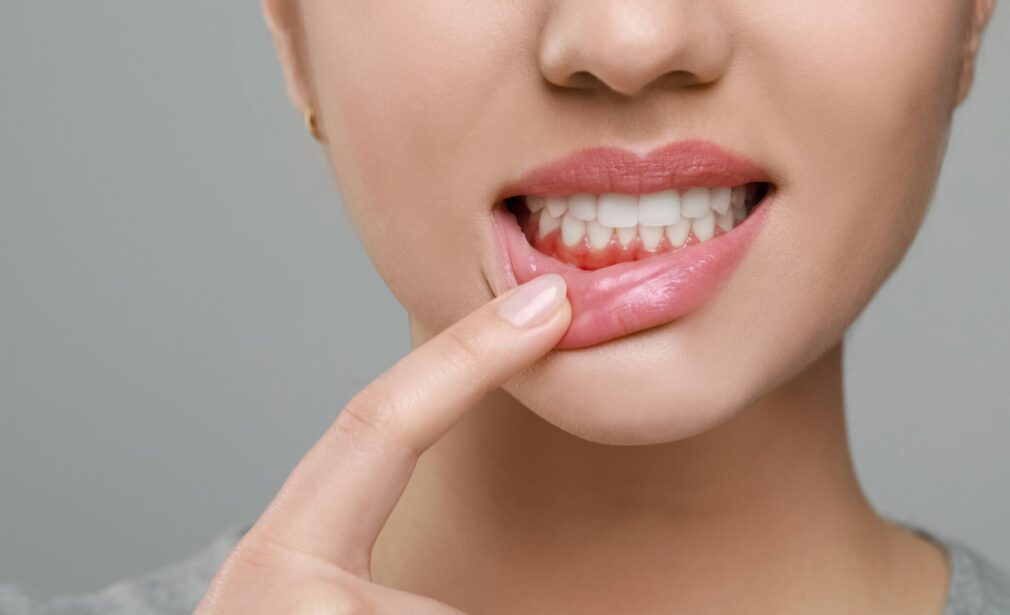
Protect Your Gums, Teeth and Smile with Personalised Periodontal Care
Bleeding gums, persistent bad breath, gum swelling and loose teeth should never be ignored. These symptoms may indicate gingivitis or a more advanced form of periodontal disease. At Hollywood Smile, we provide personalised gum disease treatment in Chandigarh to control infection, improve gum health and protect the supporting structures around your teeth.
Our dental team evaluates the severity and underlying causes of your condition before recommending treatment. Depending on your needs, care may include professional teeth cleaning, scaling and polishing, deep cleaning, scaling and root planing, periodontal maintenance or referral for advanced gum surgery.
Schedule a consultation at Hollywood Smile if you are looking for a trusted gum treatment dentist in Chandigarh.
Call: +91 82888 38222
Visit: SCO 139–140, First Floor, Sector 9C, Chandigarh
What Is Gum Disease?
Gum disease, also called periodontal disease, is an inflammatory condition affecting the gums and other structures that support the teeth. It commonly develops when bacterial plaque accumulates around the gumline.
The early stage is known as gingivitis. If it is not managed, the condition may progress to periodontitis, which can damage the tissues and bone supporting the teeth. Advanced periodontal disease is a major cause of tooth loss in adults.
Timely periodontal treatment in Chandigarh can help control infection and reduce the risk of further damage. However, ongoing oral hygiene and regular professional maintenance are essential because periodontal disease can recur.
Stages of Gum Disease
Gingivitis
Gingivitis is the earliest stage of gum disease. The gums may appear red, swollen or tender and may bleed during brushing or flossing.
At this stage, the supporting bone has not yet been permanently damaged. Gingivitis can usually be controlled with professional cleaning and improved daily plaque removal.
Mild Periodontitis
When gingivitis progresses, the gums may begin to pull away from the teeth and form periodontal pockets. Bacteria and deposits can collect below the gumline, making them difficult to remove with normal brushing.
Early bone loss may also begin during this stage.
Moderate Periodontitis
As periodontal pockets become deeper, additional gum tissue and supporting bone may be damaged. Patients may experience gum recession, sensitivity, bad breath or slight tooth mobility.
More extensive deep cleaning and periodontal maintenance may be required.
Advanced Periodontitis
Advanced periodontal disease can cause significant destruction of the tissues and bone supporting the teeth. Teeth may become loose, change position or eventually require extraction when they cannot be maintained.
The American Academy of Periodontology explains that periodontal pockets can deepen as gum disease progresses, resulting in further destruction of gum tissue and bone.
Symptoms of Gum Disease
Arrange a dental evaluation if you experience:
- Bleeding gums while brushing or flossing
- Red, swollen or tender gums
- Persistent bad breath
- An unpleasant taste in the mouth
- Gum recession
- Teeth that appear longer
- Sensitivity around exposed tooth roots
- Pus between the teeth and gums
- Pain while chewing
- Loose or shifting teeth
- New spaces developing between teeth
- Changes in the way your teeth meet
- Changes in the fit of a partial denture
- Repeated gum swelling or dental abscesses
Gum disease can sometimes progress without significant pain. Regular dental examinations are important even when your gums do not feel sore.
Bleeding, swollen or painful gums should be assessed by a dentist, particularly when accompanied by bad breath, gum recession or loose teeth.
What Causes Gum Disease?
Plaque and Tartar Accumulation
Plaque is a sticky bacterial film that continuously forms on the teeth. When it is not removed effectively, it can harden into tartar or calculus.
Tartar cannot be removed through ordinary brushing and requires professional dental cleaning.
Inadequate Oral Hygiene
Irregular brushing and insufficient cleaning between the teeth allow plaque to remain around and below the gumline.
Smoking and Tobacco Use
Smoking and other forms of tobacco use are important risk factors for periodontal disease. Tobacco may also slow healing and make treatment outcomes less predictable.
Diabetes
Poorly controlled diabetes can increase susceptibility to gum infections and may influence healing. Patients should keep their dentist informed about diabetes and any changes in medication or health.
Genetics and Family History
Some people may be more susceptible to periodontal disease because of inherited factors, even when they maintain reasonable oral hygiene.
Hormonal Changes
Hormonal changes associated with puberty, pregnancy or menopause may make gums more sensitive to plaque and inflammation.
Certain Medical Conditions and Medicines
Some health conditions and medicines can affect the immune response, saliva flow or gum tissues. A complete medical and medication history helps the dentist plan appropriate periodontal care.
Crooked or Crowded Teeth
Crowded teeth and difficult-to-clean areas may retain plaque and make daily oral hygiene more challenging.
Faulty or Difficult-to-Clean Restorations
Overhanging fillings, poorly fitting crowns or inaccessible spaces around dental restorations can trap plaque and irritate the gums.
Gum Disease Diagnosis at Hollywood Smile
Detailed Gum Examination
The dentist examines the colour, shape and condition of your gums and looks for bleeding, swelling, recession, plaque and tartar.
Periodontal Pocket Measurement
A periodontal probe may be used to measure the space between each tooth and the surrounding gum. Deeper pockets can indicate loss of periodontal attachment.
Tooth Mobility and Bite Assessment
The dentist checks whether any teeth have become loose or shifted because of reduced gum and bone support.
Dental X-Rays
Dental X-rays may be advised to assess the bone surrounding the teeth and identify patterns of periodontal bone loss.
Medical and Lifestyle Review
Your medical conditions, medicines, smoking habits, diabetes control, oral-hygiene routine and family history may affect diagnosis and treatment planning.
Gum Disease Treatments Available in Chandigarh
Professional Teeth Cleaning
Professional dental cleaning removes plaque, tartar and surface stains from around the teeth and gumline. It is commonly recommended for gingivitis and preventive gum care.
Regular cleaning can support gum health, but it is different from deep periodontal cleaning.
Scaling and Polishing
Scaling removes hardened deposits from the tooth surfaces and around the gumline. Polishing helps smooth the cleaned surfaces and remove selected external stains.
The frequency of scaling and polishing depends on your oral health, tartar accumulation and risk of gum disease.
Deep Teeth Cleaning
Deep cleaning is used when deposits and bacterial buildup extend below the gumline. It may be completed in sections over one or more appointments, depending on the number and depth of periodontal pockets.
Scaling and Root Planing
Scaling and root planing is a non-surgical periodontal procedure used to clean the tooth roots beneath the gumline. Scaling removes plaque and tartar, while root planing smooths contaminated or irregular root surfaces.
The American Dental Association reports that scaling and root planing can benefit patients whose gum disease has advanced beyond gingivitis.
Local Anaesthesia for Deep Cleaning
Local anaesthesia may be used to numb the gums and supporting tissues during deep cleaning, helping patients remain comfortable while deposits are removed from periodontal pockets.
Antimicrobial Treatment
Antimicrobial mouthwash, locally applied medicine or antibiotics may be prescribed in selected cases. These are not substitutes for professional plaque and tartar removal.
Antibiotics are not required for every patient and should only be used according to professional instructions.
Gum Abscess Treatment
A periodontal abscess is a collection of infection around the gum and supporting tissues. Treatment may include drainage, deep cleaning, management of the affected periodontal pocket and medication when clinically indicated.
Periodontal Maintenance
Following active gum treatment, patients may need periodontal maintenance appointments at intervals based on their individual risk.
Maintenance care may include:
- Gum-health assessment
- Periodontal pocket measurement
- Plaque and tartar removal
- Cleaning below the gumline where required
- Review of home-care techniques
- Monitoring of loose teeth and bone levels
Periodontal maintenance is important because previous gum disease can become active again if plaque and risk factors are not controlled.
Periodontal or Gum Surgery
Advanced gum disease may occasionally require surgical treatment when deep pockets remain after non-surgical therapy. Surgery can provide better access for cleaning the tooth roots and managing damaged periodontal tissues.
Gum surgery is generally considered after deep cleaning when additional treatment is still required.
Complex periodontal cases may be referred to a periodontist—a dentist who specialises in preventing, diagnosing and treating diseases affecting the gums and supporting bone.
Scaling and Root Planing Procedure
Initial Periodontal Assessment
The dentist evaluates your gums, measures periodontal pockets and reviews relevant X-rays before planning treatment.
Numbing the Treatment Area
Local anaesthesia may be provided when deeper areas need cleaning.
Removal of Plaque and Tartar
Special dental instruments are used to remove deposits from above and below the gumline.
Cleaning the Root Surfaces
The root surfaces are carefully debrided and smoothed to reduce deposits and create a cleaner environment for the gum tissues.
Home-Care Instructions
You will receive personalised guidance about brushing, interdental cleaning and any prescribed products.
Periodontal Review
A follow-up examination allows the dentist to assess healing, bleeding, oral hygiene and periodontal pocket response.
Some patients respond well to non-surgical treatment alone. Others with persistent deep pockets or advanced bone loss may require additional periodontal care.
Benefits of Gum Disease Treatment
Professional periodontal treatment may:
- Reduce gum bleeding and inflammation
- Remove plaque and tartar below the gumline
- Improve persistent bad breath caused by periodontal deposits
- Help control periodontal infection
- Reduce the depth of gum pockets
- Protect the tissues supporting the teeth
- Improve gum comfort
- Help stabilise teeth where sufficient support remains
- Make daily oral hygiene more effective
- Reduce the risk of additional periodontal damage
- Support the long-term retention of natural teeth
Treatment cannot always rebuild bone already lost to periodontitis. The primary objective is to control disease activity and prevent or limit further damage.
Is Gum Disease Treatment Painful?
Routine scaling may cause mild sensitivity, particularly when the gums are inflamed. Local anaesthesia can be used during scaling and root planing to improve comfort.
After deep cleaning, patients may temporarily experience:
- Mild gum tenderness
- Minor bleeding
- Tooth sensitivity
- Slight gum recession becoming more noticeable
- Discomfort while chewing
These effects commonly improve as the tissues heal. Contact the clinic if pain, swelling or bleeding becomes severe or progressively worse.
Recovery After Deep Gum Cleaning
Follow the Dentist’s Instructions
Use any prescribed mouthwash or medication exactly as directed. Do not begin or stop antibiotics without professional advice.
Choose Comfortable Foods
Soft foods may be more comfortable until gum tenderness decreases. Avoid extremely hot, spicy or hard foods if they irritate the treated areas.
Maintain Gentle Oral Hygiene
Continue brushing carefully with a soft-bristled toothbrush. Plaque control remains important during healing, but avoid aggressive scrubbing.
Avoid Smoking and Tobacco
Tobacco use can interfere with healing and contribute to the progression of periodontal disease.
Attend the Follow-Up Appointment
A periodontal review helps determine whether inflammation and pocket depths have improved or additional treatment is necessary.
How to Prevent Gum Disease
Brush Twice Daily
Brush thoroughly twice a day with fluoride toothpaste. Clean the gumline gently rather than brushing only the visible tooth surfaces.
Clean Between Your Teeth
Floss or use interdental brushes to clean areas that a toothbrush cannot reach. The most suitable method depends on the size of the spaces and the condition of your gums.
Daily cleaning between the teeth helps remove plaque near the gumline and may reduce gum disease and bad breath.
Schedule Regular Dental Check-Ups
The right check-up interval depends on your oral health and periodontal risk. Patients with a history of periodontitis may require more frequent maintenance.
Get Professional Dental Cleaning
Professional cleaning removes tartar that cannot be eliminated with brushing or flossing at home.
Stop Smoking
Stopping smoking can improve oral health and make periodontal treatment outcomes more predictable.
Manage Diabetes
Maintaining appropriate blood-glucose control and informing your dentist about diabetes can support personalised periodontal care.
Maintain a Balanced Diet
A balanced diet supports general and oral health. Frequent sugary foods and drinks can also increase the risk of tooth decay.
Gum Disease and Bad Breath
Persistent bad breath may occur when bacteria, plaque and tartar collect around the teeth, gums and tongue. Deep periodontal pockets may retain bacteria that cannot be removed through routine home cleaning.
Professional gum evaluation can identify whether bad breath is associated with gingivitis, periodontitis, tooth decay, dry mouth or another oral condition.
Mouthwash may temporarily improve breath but does not remove hardened tartar or replace gum disease treatment.
Gum Disease and Loose Teeth
Advanced periodontitis can destroy the ligament and bone supporting the teeth, causing mobility or changes in tooth position.
Treatment may help control the disease and preserve teeth that still have adequate support. However, teeth with severe structural damage or extensive bone loss may not always be saveable.
Early diagnosis generally provides more treatment options than waiting until teeth become very loose.
Gum Recession Treatment
Gum recession exposes part of the tooth root and can cause sensitivity, an elongated tooth appearance or an increased risk of root decay.
Treatment depends on the cause and severity and may include:
- Improved brushing technique
- Professional plaque control
- Treatment of periodontal disease
- Management of traumatic bite forces
- Desensitising products
- Restorative care for root damage
- Gum-grafting assessment in selected cases
Gum graft procedures may be used in appropriate situations to cover exposed roots and protect vulnerable areas.
Gum Disease Treatment Cost in Chandigarh
The cost of gum disease treatment in Chandigarh varies according to the type and severity of periodontal disease.
Important pricing factors include:
- Gingivitis or periodontitis diagnosis
- Number of teeth requiring treatment
- Depth of periodontal pockets
- Amount of plaque and tartar
- Routine scaling or deep cleaning
- Number of treatment sessions
- Requirement for local anaesthesia
- Dental X-rays and diagnostic records
- Antimicrobial treatment when indicated
- Periodontal maintenance visits
- Requirement for gum surgery
- Need for specialist periodontal referral
- Associated tooth or restoration treatment
An accurate quotation can be provided after a clinical periodontal examination. Early-stage gum treatment is generally less complex than managing advanced periodontal disease and loose teeth.
Why Choose Hollywood Smile for Gum Treatment in Chandigarh?
Personalised Periodontal Assessment
We evaluate your symptoms, gum-pocket depth, plaque levels, bone support and individual risk factors before recommending treatment.
Non-Surgical Gum Treatment
Where clinically appropriate, treatment begins with oral-hygiene improvement, professional cleaning, scaling and root planing.
Focus on Tooth Preservation
Our goal is to control gum disease and protect natural teeth whenever they have a maintainable long-term prognosis.
Patient Education and Prevention
We help patients understand brushing, flossing, interdental cleaning and maintenance techniques for better plaque control at home.
Complete Dental Care
Hollywood Smile can address associated concerns such as tooth decay, loose teeth, missing teeth, sensitivity and damaged dental restorations.
Experienced Dental Team
Hollywood Smile is led by Dr. Prashant, MDS Endodontist, with more than 15 years of dental experience.
Convenient Chandigarh Location
Our dental clinic is located at SCO 139–140, First Floor, Sector 9C, Chandigarh, serving patients from Chandigarh, Mohali, Panchkula and nearby areas.
Frequently Asked Questions About Gum Disease Treatment
Can Gum Disease Be Cured?
Early gingivitis can generally be reversed with professional cleaning and effective daily oral hygiene. Periodontitis causes deeper tissue and bone damage and usually requires ongoing management to control progression.
Why Do My Gums Bleed While Brushing?
Bleeding may occur because of plaque-related inflammation, gingivitis, periodontitis or traumatic brushing. Persistent bleeding should be evaluated rather than considered normal.
Is Gum Disease Contagious?
Periodontal disease is not generally described like a cold or flu. However, bacteria associated with gum disease can be exchanged through saliva. Individual oral hygiene, smoking, diabetes, genetics and other factors influence whether disease develops.
Does Gum Disease Cause Bad Breath?
Yes, plaque, tartar and bacteria inside periodontal pockets can contribute to persistent bad breath. Other dental and medical causes may also need to be considered.
What Is Deep Teeth Cleaning?
Deep cleaning usually refers to scaling and root planing below the gumline. It removes plaque and hardened deposits from periodontal pockets and cleans the tooth-root surfaces.
What Is the Difference Between Regular Scaling and Deep Cleaning?
Regular scaling mainly removes deposits around accessible tooth surfaces and the gumline. Deep cleaning targets bacterial deposits and tartar located below the gumline in periodontal pockets.
How Many Appointments Are Required?
The number of appointments depends on the severity of gum disease, the areas involved and the patient’s comfort. Treatment may be completed in one visit or divided into multiple sections.
Will My Gums Grow Back After Treatment?
Inflamed gums may tighten and become healthier after treatment, but gum tissue and bone lost because of advanced periodontitis do not always regenerate naturally. Selected regenerative or grafting procedures may be considered after an assessment.
Can Loose Teeth Become Firm Again?
Mobility caused partly by inflammation may improve after treatment. However, the outcome depends on how much supporting bone and periodontal attachment remain.
Are Antibiotics Enough to Treat Gum Disease?
No. Antibiotics cannot remove plaque and hardened tartar from the tooth roots. When prescribed, they support rather than replace professional periodontal treatment.
How Often Do I Need Periodontal Maintenance?
The interval is based on disease severity, plaque control, smoking, diabetes and response to treatment. Some patients require maintenance more frequently than routine dental-cleaning patients.
How Much Does Gum Disease Treatment Cost in Chandigarh?
The cost depends on whether you require routine cleaning, scaling and polishing, deep cleaning, root planing, medication, maintenance or periodontal surgery. An examination is necessary for an accurate estimate.
Book a Gum Disease Consultation in Chandigarh
If your gums bleed, feel swollen, appear to be receding or you have persistent bad breath, schedule a periodontal examination at Hollywood Smile.
Early gum disease treatment in Chandigarh can help control infection and protect your teeth from additional periodontal damage.
Hollywood Smile
SCO 139–140, First Floor
Sector 9C, Chandigarh
Phone: +91 82888 38222