

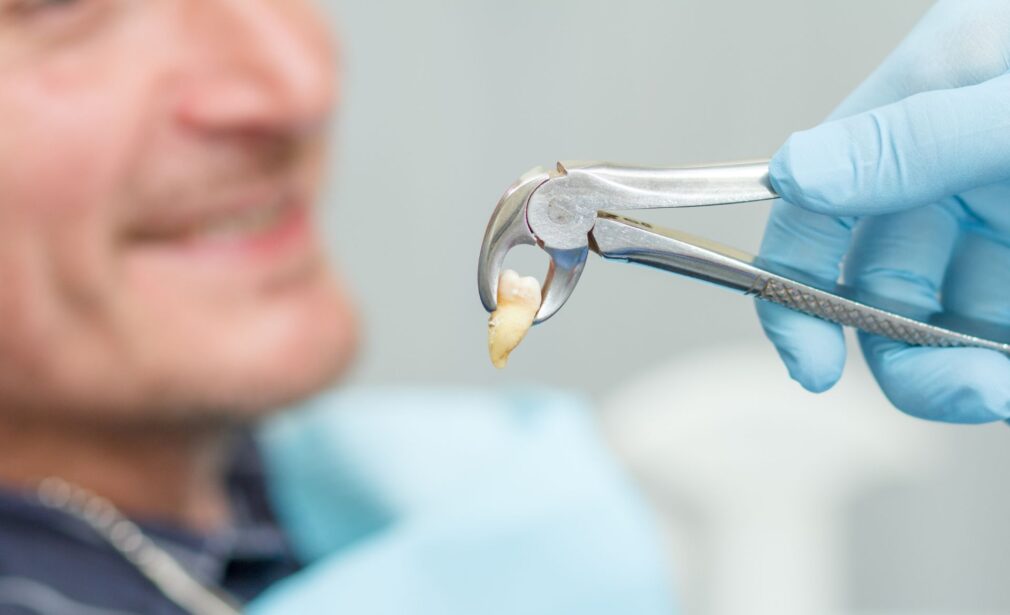
Safe, Comfortable and Personalised Surgical Dental Care
Severe tooth pain, infection, dental trauma or an impacted wisdom tooth can affect your comfort and overall oral health. Hollywood Smile provides carefully planned tooth extraction and oral surgery in Chandigarh for patients who need the removal of damaged, infected, decayed or problematic teeth.
Our priority is always to preserve your natural tooth whenever it can be predictably restored. Tooth removal is recommended only after a detailed dental examination and consideration of suitable alternatives such as fillings, crowns, root canal treatment or gum care.
When extraction is necessary, our dental team focuses on patient comfort, infection control, careful surgical technique and clear post-extraction instructions.
Book a tooth extraction consultation in Chandigarh:
Call: +91 82888 38222
Visit: SCO 139–140, First Floor, Sector 9C, Chandigarh
What Is Tooth Extraction?
A tooth extraction is a dental procedure in which a tooth is carefully removed from its socket. It may be required because of severe tooth decay, advanced gum disease, trauma, infection, overcrowding or an impacted wisdom tooth.
Depending on the position and condition of the tooth, the dentist may recommend either a simple tooth extraction or a surgical tooth extraction. The American Dental Association describes extraction as tooth removal commonly performed because of disease, trauma or crowding.
Hollywood Smile offers personalised evaluation for tooth removal, wisdom tooth extraction and minor oral surgery in Chandigarh.
When Is Tooth Extraction Necessary?
Severely Decayed Tooth
A badly decayed tooth may require extraction when there is insufficient healthy tooth structure for a filling, crown or root canal treatment.
Advanced Dental Infection
An infected tooth may sometimes be saved with root canal treatment. However, extraction may be recommended if the infection is extensive, the tooth is fractured or the long-term prognosis is poor.
Broken or Fractured Tooth
A tooth fractured below the gumline or damaged beyond predictable restoration may need to be removed to prevent continuing pain and infection.
Advanced Gum Disease
Periodontal disease can damage the gums and supporting bone around a tooth. Severely loose teeth with inadequate support may require extraction.
Impacted Wisdom Tooth
A wisdom tooth is impacted when it does not erupt normally because of limited space, an unfavourable angle or obstruction from another tooth or bone.
Impacted wisdom teeth may contribute to recurring pain, infection, swelling, decay or damage to a neighbouring tooth.
Overcrowded Teeth
A dentist or orthodontist may recommend removing selected teeth when additional space is required for orthodontic treatment with braces or clear aligners.
Retained Baby Tooth
A baby tooth that does not fall out naturally may interfere with the eruption or alignment of the permanent tooth and may need removal.
Dental Trauma
Teeth severely damaged by an accident or sports injury may require emergency evaluation and possible extraction when they cannot be saved.
Preparation for Dentures
Non-restorable teeth may need to be extracted before full dentures, partial dentures or other tooth-replacement treatment can begin.
Types of Tooth Extraction at Hollywood Smile
Simple Tooth Extraction
A simple dental extraction is generally performed when the tooth is visible above the gumline and can be safely accessed using dental instruments.
The area is numbed with local anaesthesia before the tooth is loosened and carefully removed.
Surgical Tooth Extraction
A surgical tooth extraction may be needed when a tooth:
- Is broken at or below the gumline
- Has curved or difficult roots
- Has not erupted completely
- Is covered by gum or bone
- Cannot be safely removed through a simple extraction
- Requires sectioning into smaller pieces
A small opening may be made in the gum, and limited bone removal or tooth sectioning may be required. Stitches may be placed when necessary.
Wisdom Tooth Extraction
Wisdom tooth removal involves extracting one or more third molars located at the back of the mouth. These teeth may be fully erupted, partially erupted or completely impacted.
Removal is not automatically required for every wisdom tooth. The dentist recommends treatment when the expected benefits of removal outweigh the risks of leaving the tooth in place.
Impacted Tooth Removal
An impacted tooth remains trapped beneath the gum or jawbone or erupts in an abnormal position. Clinical examination and dental imaging help determine its location and relationship with nearby teeth, roots, sinuses and nerves.
Multiple Tooth Extraction
Several teeth may be removed during one treatment session when clinically appropriate. Multiple extractions may be required because of widespread decay, gum disease, trauma or preparation for complete dentures.
Root Fragment Removal
A fractured root may remain below the gumline after a tooth breaks or a previous extraction. The dentist assesses whether the fragment needs removal and plans the safest approach.
Oral Surgery Services in Chandigarh
Wisdom Tooth Surgery
Wisdom tooth surgery is performed for impacted, infected, decayed or painful third molars. Depending on the position of the tooth, the procedure may involve opening the gum, removing a small amount of surrounding bone, dividing the tooth and placing stitches.
Surgical Removal of Broken Teeth
Teeth broken near or below the gumline can be difficult to grip through a simple procedure. Surgical access may be required to remove the remaining tooth or root safely.
Management of Dental Infections
Some dental infections require drainage, root canal treatment, tooth extraction or a combination of procedures. Antibiotics are prescribed only when clinically indicated and do not replace treatment of the source of infection.
Pre-Prosthetic Oral Procedures
Minor oral procedures may occasionally be advised before dentures or another dental restoration. Treatment is based on the condition of the gums, jaw and remaining teeth.
Referral for Complex Oral Surgery
Certain complex cases may require treatment by an oral and maxillofacial surgeon or hospital-based team. If specialist care is appropriate, our dentist will explain the findings and guide you regarding referral.
Signs You May Need Wisdom Tooth Removal
You should schedule a wisdom tooth examination if you experience:
- Pain behind the back molar
- Swelling around a wisdom tooth
- Difficulty opening the mouth
- Food repeatedly collecting around the tooth
- Bad breath or an unpleasant taste
- Red, tender or bleeding gums
- Repeated gum infection
- Decay in the wisdom tooth
- Damage to the neighbouring molar
- Pressure or discomfort at the back of the jaw
Pain does not always mean that extraction is necessary. An examination and dental X-ray are required to identify the cause and determine the right treatment.
Tooth Extraction Procedure
Consultation and Examination
The dentist examines the affected tooth, gums and surrounding tissues. Your symptoms, medical conditions, allergies and current medications are reviewed.
Inform the dentist if you take blood-thinning medicines, have diabetes, heart disease, immune-system conditions or have previously experienced problems with anaesthesia.
Dental X-Rays
An X-ray may be required to assess the tooth roots, jawbone, infection and proximity to nearby anatomical structures. Impacted wisdom teeth may require additional imaging in selected cases.
Treatment Planning and Consent
The dentist explains why extraction is recommended, whether it will be simple or surgical, the expected benefits, possible risks and available alternatives.
You will have an opportunity to discuss concerns before providing consent.
Local Anaesthesia
Local anaesthesia is administered to numb the tooth and surrounding tissues. You may feel pressure or movement during the extraction, but the objective is to prevent sharp pain.
Local anaesthesia blocks the nerves that transmit pain from a specific area of the mouth.
Tooth Removal
During a simple extraction, the tooth is loosened and carefully removed. For a surgical extraction, the dentist may make a small opening in the gum and divide the tooth into sections when necessary.
Cleaning and Stitches
The extraction socket is inspected and cleaned. Stitches may be placed after a surgical extraction. Some stitches dissolve naturally, while others may require removal at a follow-up appointment.
Gauze and Aftercare Instructions
Gauze is placed over the extraction site to help control bleeding and support clot formation. You will receive personalised instructions for eating, cleaning and managing discomfort.
Recovery After Tooth Extraction
First 24 Hours
A blood clot forms inside the socket and plays an important role in healing. Follow the dentist’s instructions carefully to avoid disturbing it.
During the first 24 hours:
- Bite on the gauze for the recommended time
- Rest and limit strenuous physical activity
- Eat cool or lukewarm soft foods
- Drink water carefully
- Take prescribed medicines as directed
- Keep your head slightly elevated while resting
- Avoid touching the socket with your fingers or tongue
- Do not rinse or spit forcefully
- Do not use a drinking straw
- Avoid smoking, vaping and alcohol
After the First 24 Hours
Continue brushing the other teeth carefully while avoiding direct trauma to the extraction site. Gentle warm salt-water rinses may be advised after the first day, depending on your procedure and dentist’s instructions.
Do not place aspirin, pain-relief tablets or home remedies directly against the socket or gum.
Suitable Foods After Tooth Extraction
Soft-food options may include:
- Yoghurt
- Mashed vegetables
- Soft rice
- Khichdi
- Smooth soup at a safe temperature
- Scrambled eggs
- Soft paneer
- Banana
- Oatmeal
- Smoothies eaten with a spoon
Avoid hard, crunchy, spicy, sticky or very hot foods during the early healing period. Nuts, seeds and small food particles may collect inside the healing socket.
Pain and Swelling
Some discomfort, swelling or jaw stiffness may occur, especially after surgical wisdom tooth removal. Symptoms commonly begin improving after the first few days, although recovery varies according to the complexity of surgery and individual healing.
Use pain medicine only according to professional advice. Contact the clinic if discomfort becomes severe, suddenly worsens or does not respond to the recommended medication.
What Is Dry Socket?
Dry socket is a painful complication that can occur when the protective blood clot inside an extraction socket does not form properly or becomes dislodged before healing progresses.
Symptoms may include:
- Increasing pain a few days after extraction
- Pain spreading toward the ear or side of the face
- Bad taste or unpleasant breath
- A visibly empty extraction socket
- Limited relief from usual pain medicine
Professional treatment may include carefully cleaning the extraction site and placing a medicated dressing.
Smoking and disturbing the healing socket may increase the risk of complications. Follow your dentist’s personalised aftercare instructions.
Possible Risks of Tooth Extraction and Oral Surgery
Although tooth extraction is routinely performed, every procedure carries possible risks. These can include:
- Post-operative pain or swelling
- Bleeding
- Infection
- Dry socket
- Delayed healing
- Damage to a nearby tooth or restoration
- Temporary jaw stiffness
- Sinus involvement with some upper teeth
- Altered sensation when lower wisdom teeth are close to a nerve
- Anaesthetic or medication-related reactions
Nerve-related changes after lower wisdom tooth surgery may cause numbness or tingling in the lip, chin or tongue. These effects often improve but can sometimes last longer. Your dentist or surgeon will discuss case-specific risks before treatment.
When to Contact the Dentist Urgently
Seek professional advice if you experience:
- Bleeding that does not stop with firm pressure
- Severe or increasing pain
- Rapidly increasing facial swelling
- Fever or feeling significantly unwell
- Pus, persistent bad taste or signs of infection
- Difficulty swallowing or breathing
- A medication reaction
- Persistent numbness after the expected anaesthetic period
- Pain that becomes worse several days after extraction
Difficulty breathing, severe facial swelling or swelling that affects swallowing requires urgent medical attention.
Replacing a Tooth After Extraction
Dental Implant
A dental implant can replace a missing tooth without relying on neighbouring teeth. Suitability depends on gum health, jawbone, general health and healing at the extraction site.
Dental Bridge
A fixed dental bridge replaces a missing tooth by gaining support from neighbouring teeth or implants.
Partial Denture
A removable partial denture can replace one or more missing teeth and may be suitable when several gaps are present.
Complete Denture
Full dentures may be recommended when all teeth in the upper jaw, lower jaw or both require replacement.
Not every extracted tooth needs to be replaced. Wisdom teeth usually do not require replacement, while other missing teeth may affect appearance, chewing, bite stability or tooth position. Our dentist will explain the appropriate options.
Tooth Extraction Cost in Chandigarh
The cost of tooth extraction in Chandigarh depends on the clinical complexity of the procedure. Pricing factors can include:
- Simple or surgical extraction
- Tooth location
- Number of teeth being removed
- Erupted or impacted tooth
- Position of tooth roots
- Amount of gum or bone covering the tooth
- Requirement for stitches
- Diagnostic X-rays or advanced imaging
- Existing swelling or infection
- Medicines and follow-up care
- Need for specialist referral
- Planned tooth-replacement treatment
The wisdom tooth removal cost in Chandigarh may be higher for deeply impacted or unusually positioned teeth than for a fully erupted tooth.
An exact quotation can be provided only after an examination and review of the necessary dental imaging.
Why Choose Hollywood Smile for Tooth Extraction in Chandigarh?
Tooth Preservation Comes First
We first evaluate whether a painful or damaged tooth can be predictably saved. Extraction is advised when retaining the tooth is not clinically appropriate.
Personalised Surgical Planning
Every tooth extraction is planned according to the tooth position, root shape, surrounding bone, nearby structures and patient’s medical condition.
Focus on Patient Comfort
Local anaesthesia and careful treatment techniques are used to make the procedure as comfortable as possible.
Clear Aftercare Guidance
Patients receive instructions about bleeding control, diet, cleaning, medicines and warning signs after tooth removal.
Complete Dental Care
If a missing tooth requires replacement, Hollywood Smile can discuss dental implants, bridges, partial dentures and complete dentures according to clinical suitability.
Experienced Dental Team
Hollywood Smile is led by Dr. Prashant, MDS Endodontist, with more than 15 years of dental experience.
Convenient Chandigarh Location
Our clinic at SCO 139–140, First Floor, Sector 9C, Chandigarh is convenient for patients searching for a tooth extraction dentist in Chandigarh, Mohali, Panchkula and the Tricity.
Frequently Asked Questions About Tooth Extraction
Is Tooth Extraction Painful?
Local anaesthesia is used to numb the treatment area. Patients may feel pressure or movement, but sharp pain should not be expected during the procedure. Some discomfort after the anaesthesia wears off is normal and can usually be managed according to the dentist’s advice.
How Long Does a Tooth Extraction Take?
A straightforward extraction may be completed relatively quickly. Surgical or impacted wisdom tooth extraction can take longer. Treatment time depends on the tooth’s position, roots and surgical complexity.
When Is Surgical Tooth Extraction Required?
Surgical removal may be necessary when a tooth is impacted, broken below the gumline, covered by bone or difficult to access through a simple extraction.
Do All Wisdom Teeth Need Removal?
No. Healthy, properly positioned and symptom-free wisdom teeth may not need removal. Extraction may be recommended when a wisdom tooth causes recurring infection, decay, pain or damage to nearby structures.
How Long Does Tooth Extraction Recovery Take?
Initial recovery often occurs within several days, but gum and bone healing continue for longer. Recovery after a complex surgical extraction may take more time than after a simple tooth removal.
Can I Brush My Teeth After an Extraction?
You can usually clean the rest of your mouth carefully, but avoid disturbing the socket during early healing. Follow the specific brushing and rinsing instructions provided by your dentist.
What Can I Eat After Tooth Removal?
Choose soft, cool or lukewarm foods during the initial recovery period. Avoid very hot, crunchy, sticky or spicy foods until the extraction site begins healing comfortably.
Can I Smoke After Tooth Extraction?
Smoking should be avoided because it can interfere with healing and increase the risk of post-extraction complications, including dry socket.
When Can I Return to Work?
Some patients return to routine activity the following day after a simple extraction. Surgical removal may require additional rest. Your dentist will advise you according to the complexity of your treatment and the nature of your work.
Are Antibiotics Necessary After Every Extraction?
No. Antibiotics are not automatically required after every tooth extraction. They are prescribed only when the dentist identifies a clinical need.
Can an Extracted Tooth Be Replaced Immediately?
Immediate replacement is possible in selected cases, but not for everyone. Treatment timing depends on infection, bone condition, gum health and the type of restoration planned.
How Much Does Wisdom Tooth Extraction Cost in Chandigarh?
The cost varies according to whether the tooth is erupted, partially impacted or fully impacted, as well as its relationship to the surrounding bone and nerves. An examination and X-ray are required for an accurate estimate.
Book a Tooth Extraction Consultation in Chandigarh
If you have severe tooth pain, a broken tooth, dental infection or wisdom tooth discomfort, do not delay professional assessment. Early evaluation may help control the problem and determine whether the tooth can be saved or requires removal.
Contact Hollywood Smile for tooth extraction, surgical tooth removal and wisdom tooth surgery in Chandigarh.
Hollywood Smile
SCO 139–140, First Floor
Sector 9C, Chandigarh
Phone: +91 82888 38222