

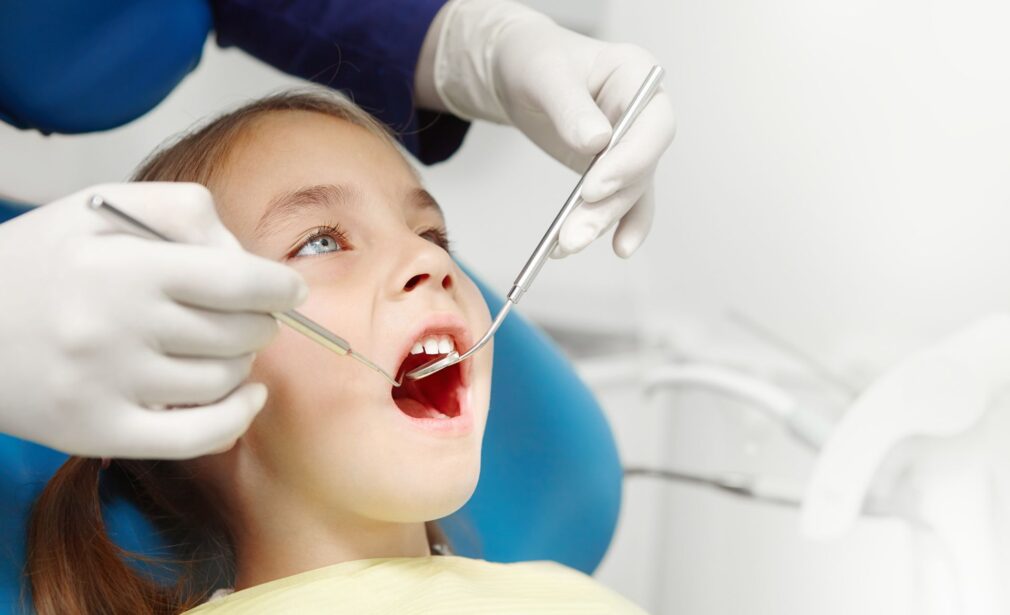
Gentle and Child-Friendly Dental Care at Hollywood Smile
A healthy smile begins with good dental habits during childhood. Hollywood Smile provides personalised pediatric dentistry in Chandigarh for infants, toddlers, children and teenagers. Our child-focused dental care includes preventive check-ups, cavity treatment, fluoride application, dental sealants, milk-tooth treatment, dental trauma care and early orthodontic assessment.
We understand that children can feel nervous about visiting a dental clinic. Our team uses calm communication, age-appropriate explanations and a patient approach to help make every appointment more comfortable.
If you are searching for a children’s dentist in Chandigarh, visit Hollywood Smile for preventive and restorative dental care tailored to your child’s age, oral health and individual needs.
Book your child’s dental appointment:
Call: +91 82888 38222
Visit: SCO 139–140, First Floor, Sector 9C, Chandigarh
What Is Pediatric Dentistry?
Pediatric dentistry focuses on the oral health of infants, children and adolescents, including children who require additional support during dental care. It covers the prevention, diagnosis and treatment of conditions affecting baby teeth, permanent teeth, gums, jaws and developing bites.
Children’s dental needs differ from those of adults. Their teeth and jaws are still developing, their risk of tooth decay can change quickly, and early dental experiences can influence how they feel about oral healthcare later in life.
At Hollywood Smile, kids’ dental treatment in Chandigarh is planned according to each child’s age, development, cooperation, dental condition and level of cavity risk.
When Should a Child First Visit the Dentist?
A child’s first dental visit should take place within six months after the first tooth appears and no later than the first birthday.
An early visit allows the dentist to:
- Examine newly erupted teeth
- Identify early signs of tooth decay
- Assess oral development
- Guide parents about brushing and fluoride toothpaste
- Discuss feeding and snacking habits
- Review thumb-sucking or pacifier use
- Help the child become familiar with the dental environment
- Establish a preventive dental-care routine
Do not wait for tooth pain or a visible cavity before scheduling your child’s first dental check-up.
Why Are Baby Teeth Important?
Baby teeth, also called milk teeth or primary teeth, play an important role in a child’s development. They help children chew food, pronounce words and maintain space for permanent teeth.
Premature loss of a baby tooth may allow nearby teeth to shift into the empty space. This can sometimes affect the eruption and alignment of the developing permanent tooth.
Treating a decayed or infected milk tooth may help:
- Relieve pain
- Control infection
- Restore chewing ability
- Support clear speech
- Maintain space for permanent teeth
- Prevent disruption to sleep and school
- Encourage healthy eating
- Preserve confidence in the child’s smile
The belief that damaged milk teeth never need treatment because they eventually fall out can result in avoidable pain and infection.
Children’s Dental Services at Hollywood Smile
Pediatric Dental Check-Ups
Regular children’s dental check-ups help monitor tooth eruption, cavities, gum health, oral habits and jaw development.
The appropriate recall interval is based on the child’s age, oral hygiene, diet, medical history and cavity risk. Children at higher risk of dental decay may need more frequent monitoring.
Infant Oral Health Examination
An infant dental visit may include an examination of the gums, newly erupted teeth, oral tissues and jaw development.
Parents receive guidance about feeding, teething, fluoride, brushing and avoiding early childhood cavities.
Dental Cleaning for Children
Professional teeth cleaning helps remove plaque and deposits that may be difficult to control at home. The dentist can also demonstrate age-appropriate brushing and flossing techniques.
The need and frequency of kids’ teeth cleaning in Chandigarh depend on the child’s oral hygiene and individual risk.
Fluoride Treatment for Children
Fluoride helps strengthen tooth enamel and make it more resistant to acid attacks associated with tooth decay. Professional fluoride varnish may be recommended for children at increased risk of cavities.
Fluoride application works alongside—not instead of—twice-daily brushing, a balanced diet and regular dental care.
Dental Sealants for Children
Dental sealants are thin protective coatings applied to the chewing surfaces of selected back teeth. They help cover deep pits and grooves where food and cavity-causing bacteria can collect.
Sealants may be recommended for primary or permanent teeth that are considered at risk of decay.
Tooth-Coloured Fillings
Small and moderate cavities may be repaired with tooth-coloured dental fillings. The decayed portion is removed, and the tooth is restored to improve function and prevent further damage.
The suitable filling material depends on the tooth, cavity size, moisture control and expected chewing forces.
Children’s Toothache Treatment
A child’s toothache may be caused by decay, a cracked tooth, dental infection, food trapped between teeth or trauma.
Painkillers may temporarily reduce discomfort but do not treat the cause. A dental examination is necessary to determine whether the child requires a filling, pulp treatment, crown, extraction or another procedure.
Pulp Therapy for Milk Teeth
Deep decay or injury can inflame or infect the soft tissue inside a baby tooth. Depending on the condition of the tooth, pulp therapy may be performed to remove affected tissue and preserve the tooth.
Common procedures can include:
- Pulpotomy
- Pulpectomy
- Root canal treatment for selected young permanent teeth
- Protective restoration or crown after treatment
The dentist determines whether a tooth can be maintained based on infection, root condition, remaining tooth structure and expected time before natural shedding.
Dental Crowns for Children
A dental crown may be recommended when a baby tooth is extensively decayed, weakened or treated with pulp therapy. The crown covers and protects the remaining tooth structure.
The appropriate type of pediatric dental crown depends on the location of the tooth, extent of damage, appearance and clinical requirements.
Milk-Tooth Extraction
A baby tooth may require extraction if it is severely decayed, infected, fractured, excessively loose or interfering with normal eruption.
Tooth removal is considered after assessing whether the tooth can be restored and how its early loss may affect the developing bite.
Space Maintainers
A space maintainer may be recommended if a baby tooth is lost earlier than expected. This appliance helps preserve the gap required for the permanent tooth to erupt.
Not every prematurely lost baby tooth requires a space maintainer. Suitability depends on the tooth involved, the child’s age, eruption stage and available space.
Children’s Dental Emergency Care
Prompt assessment may be required for:
- Severe toothache
- Facial or gum swelling
- Broken or chipped teeth
- Knocked-out teeth
- Dental abscess
- Bleeding after an injury
- Cuts to the lips, gums or tongue
- Objects trapped between teeth
- Damaged dental fillings or crowns
Contact Hollywood Smile as soon as possible and explain what happened so our team can guide you regarding the next step.
Dental Trauma Treatment
Falls, sports injuries and accidents can damage both baby and permanent teeth. Treatment depends on whether a tooth is chipped, displaced, loosened or completely knocked out.
For a knocked-out permanent tooth, hold it by the crown rather than the root. If it is visibly dirty, rinse it gently without scrubbing, keep it moist and seek emergency dental care immediately. Do not attempt to place a knocked-out baby tooth back into its socket.
Early Orthodontic Assessment
An early orthodontic evaluation helps identify developing bite problems, crowding, crossbite, protruding teeth or abnormal jaw growth.
Not every child needs early orthodontic treatment. Monitoring may be recommended until the permanent teeth and jaws reach an appropriate developmental stage.
Braces and Clear Aligners for Teenagers
Teenagers with crowded, rotated or widely spaced teeth may be suitable for braces or clear aligners. Treatment depends on dental development, bite, oral hygiene and the complexity of tooth movement required.
Thumb-Sucking and Pacifier Habit Guidance
Thumb-sucking and pacifier habits are common in infants and young children. If they continue for an extended period, they may influence the position of the front teeth or development of the bite.
Our dentist can assess the habit and guide parents about age-appropriate management.
Teeth-Grinding Assessment
Some children grind or clench their teeth, particularly during sleep. Occasional grinding may not require active treatment, but significant tooth wear, pain, sensitivity or jaw symptoms should be evaluated.
Tooth Decay in Children
What Causes Cavities in Children?
Dental cavities develop when bacteria in plaque use sugars from food and drinks to produce acids that weaken tooth enamel.
Important risk factors include:
- Frequent sugary snacks
- Sweetened drinks between meals
- Sleeping with a milk or juice bottle
- Inadequate brushing
- Insufficient fluoride exposure
- Deep grooves in back teeth
- Previous dental cavities
- Dry mouth
- Certain medical or developmental conditions
- Sharing utensils that may transfer oral bacteria
Signs of Tooth Decay in Children
Possible symptoms include:
- White, brown or black marks on teeth
- Visible holes
- Sensitivity to cold, hot or sweet foods
- Pain while chewing
- Persistent toothache
- Bad breath
- Gum swelling near a tooth
- Avoiding food on one side
- Interrupted sleep
- Unexplained irritability in younger children
Early cavities may not cause pain. Regular examinations allow decay to be identified before it becomes deeper and more difficult to treat.
What Is Early Childhood Caries?
Early childhood caries is tooth decay that develops in the primary teeth of infants and young children. It can progress quickly and may affect multiple teeth.
The American Academy of Pediatric Dentistry recommends establishing a dental home no later than 12 months of age, along with cavity-risk assessment, parental education, oral-hygiene instruction and dietary guidance.
Your Child’s Dental Appointment
Friendly Introduction
The first objective is to help your child become familiar with the dental clinic, chair and instruments. We avoid unnecessary pressure and use simple, age-appropriate language.
Oral Examination
The dentist examines the teeth, gums, tongue, bite and jaw development. Tooth eruption, cavities and oral habits are also assessed.
Dental X-Rays When Required
Dental X-rays are not automatically required at every visit. They may be advised when the dentist needs information that cannot be obtained through visual examination alone.
The decision depends on the child’s age, cavity risk, symptoms, dental development and treatment needs.
Personalised Treatment Plan
The findings and available options are discussed with the parent or guardian. The plan may include preventive care, monitoring or restorative treatment.
Home-Care Guidance
Parents and children receive advice about brushing, fluoride toothpaste, flossing, diet and follow-up appointments.
Helping an Anxious Child Visit the Dentist
Use Positive Language
Explain that the dentist will count and check the child’s teeth. Avoid frightening words or sharing negative dental experiences.
Choose a Suitable Appointment Time
Schedule the appointment when your child is usually rested and cooperative. Avoid times when the child may be hungry or tired.
Keep the Explanation Simple
Young children generally benefit from a short, positive explanation rather than detailed descriptions of possible dental procedures.
Bring Medical Information
Tell the dentist about medical conditions, allergies, medicines, previous dental experiences or developmental needs.
Allow the Dental Team to Communicate
Calm, direct communication between the dental team and child can help build trust and cooperation.
Children’s Toothbrushing Guide
Babies and Children Under Three
Start brushing as soon as the first tooth erupts. Use a child-sized soft toothbrush and a smear of fluoride toothpaste approximately the size of a grain of rice.
Children Aged Three to Six
Use a pea-sized amount of fluoride toothpaste. A parent or caregiver should supervise and assist to ensure every tooth surface is cleaned.
Children Aged Seven and Older
Many children can begin brushing more independently, but parents should continue checking their technique until they can clean thoroughly and consistently.
Children should brush twice daily, including before bed. Encourage them to spit out toothpaste rather than rinse extensively with water, unless their dentist provides different instructions.
The ADA recommends a rice-grain-sized smear of fluoride toothpaste for children under three, while the NHS recommends adult supervision or help with brushing until at least age seven.
Diet Tips for Healthy Children’s Teeth
Limit Frequent Sugar Exposure
The number of times teeth are exposed to sugar can be as important as the total quantity. Keep sugary food and drinks to mealtimes where possible.
Choose Water Between Meals
Plain water is generally a tooth-friendly choice between meals. Avoid frequent sipping of sweetened drinks, packaged juices and carbonated beverages.
Avoid Sleeping with a Sweetened Bottle
Do not put a child to sleep with a bottle containing juice, sweetened milk or another sugary drink. Prolonged exposure can increase the risk of early childhood cavities.
Choose Balanced Snacks
Child-friendly options can include fresh fruit, vegetables, unsweetened yoghurt, cheese, eggs and other nutritious foods suitable for the child’s age.
Check Hidden Sugars
Biscuits, breakfast cereals, flavoured milk, packaged snacks and health drinks may contain significant amounts of sugar.
Why Preventive Pediatric Dentistry Matters
Preventive children’s dentistry can help:
- Identify cavities at an early stage
- Reduce the risk of dental pain and infection
- Protect developing permanent teeth
- Establish positive brushing habits
- Monitor tooth and jaw development
- Reduce the likelihood of complex dental procedures
- Support comfortable chewing and speech
- Help children feel confident about dental visits
- Provide parents with personalised oral-health guidance
Preventive care cannot guarantee that a child will never develop a dental problem, but it can reduce risks and support earlier intervention.
Pediatric Dental Emergencies
Knocked-Out Permanent Tooth
A knocked-out permanent tooth requires immediate professional care. Handle the tooth by its crown, avoid touching the root and keep it moist while travelling to the dental clinic.
Knocked-Out Baby Tooth
Do not attempt to reinsert a knocked-out baby tooth because this may damage the developing permanent tooth underneath.
Broken Tooth
Rinse the mouth gently and keep any broken tooth fragment if available. Apply a cold compress outside the face if swelling is present and contact the dentist promptly.
Facial Swelling
Swelling associated with a tooth may indicate infection. Seek urgent dental assessment, especially if the swelling is spreading or accompanied by fever.
Difficulty breathing or swallowing requires immediate emergency medical attention.
Toothache
Do not place aspirin, pain-relief tablets or chemicals directly on the tooth or gums. Arrange a dental examination to diagnose the cause.
Pediatric Dentistry Cost in Chandigarh
The cost of pediatric dental treatment in Chandigarh depends on your child’s condition and the procedure required.
Pricing factors may include:
- Type of dental examination
- Preventive or restorative treatment
- Number and depth of cavities
- Tooth-coloured filling
- Fluoride application
- Dental sealants
- Children’s teeth cleaning
- Pulpotomy or pulpectomy
- Pediatric dental crown
- Milk-tooth extraction
- Space maintainer
- Dental X-rays
- Emergency dental care
- Dental trauma treatment
- Orthodontic assessment
- Number of appointments required
An accurate quotation is provided after examining the child. Treating a dental problem during its early stage is usually less complex than waiting until the child develops severe pain or infection.
Why Choose Hollywood Smile for Pediatric Dentistry in Chandigarh?
Child-Friendly Dental Approach
We use calm communication and age-appropriate explanations to make appointments easier for children and parents.
Focus on Prevention
Our team provides guidance on brushing, fluoride, diet, sealants and dental check-ups to help reduce the risk of future cavities.
Personalised Treatment Planning
Every recommendation is based on the child’s age, dental development, medical history, cavity risk and ability to cooperate.
Care for Baby and Permanent Teeth
We provide preventive and restorative care for milk teeth, newly erupted permanent teeth and teenage smiles.
Emergency Dental Assessment
Children with tooth pain, swelling, broken teeth or dental injuries can receive prompt evaluation and treatment planning.
Complete Family Dental Care
Hollywood Smile provides dental care for children, teenagers, adults and older patients, allowing the entire family to visit one dental clinic.
Experienced Dental Team
Hollywood Smile is led by Dr. Prashant, MDS Endodontist, with more than 15 years of dental experience.
Convenient Chandigarh Location
Our clinic is located at SCO 139–140, First Floor, Sector 9C, Chandigarh, serving families from Chandigarh, Mohali, Panchkula and nearby areas.
Frequently Asked Questions About Pediatric Dentistry
At What Age Should My Child First Visit a Dentist?
Schedule the first dental visit within six months after the first tooth appears and no later than the child’s first birthday.
How Often Should Children Have Dental Check-Ups?
The interval depends on the child’s oral health and cavity risk. The dentist will recommend an appropriate schedule after an examination.
Why Treat a Cavity in a Baby Tooth?
A decayed baby tooth can cause pain, infection and difficulty eating. Baby teeth also preserve space and guide permanent teeth, so maintaining them can be important.
Are Dental X-Rays Safe for Children?
Dental X-rays are prescribed only when clinically necessary. Modern techniques and protective measures are used to minimise exposure while obtaining information required for diagnosis.
Is Fluoride Safe for Children?
Fluoride is used in age-appropriate amounts based on a child’s cavity risk. Parents should supervise toothpaste use and follow their dentist’s recommendations.
What Are Dental Sealants?
Sealants are protective coatings placed in the grooves of selected back teeth to help prevent food and bacteria from settling in cavity-prone areas.
What Should I Do If My Child Is Afraid of the Dentist?
Use positive language, avoid discussing frightening experiences and schedule the visit when the child is rested. Inform the dental team about previous anxiety so the appointment can be adapted.
What Is a Pulpotomy?
A pulpotomy removes inflamed or infected tissue from the crown portion of the tooth’s pulp while preserving suitable tissue in the roots. It may be recommended for certain deeply decayed baby teeth.
Does My Child Need a Space Maintainer?
A space maintainer may be advised when a baby tooth is lost too early. The need depends on the tooth, available space and stage of permanent-tooth development.
Can Children Have Root Canal Treatment?
Selected baby teeth may receive pulp therapy, while young permanent teeth may need specialised root canal care. Treatment depends on root development, infection and remaining tooth structure.
When Should My Child See an Orthodontist?
An early assessment may be useful if the child has crowding, protruding teeth, crossbite, jaw imbalance or abnormal tooth eruption. Not every assessment leads to immediate treatment.
How Much Does a Children’s Dentist Cost in Chandigarh?
The cost depends on whether your child needs a check-up, cleaning, fluoride, sealants, filling, pulp treatment, crown, extraction or emergency care. An examination is required for an accurate estimate.
Book a Pediatric Dental Appointment in Chandigarh
Give your child a healthy foundation for a lifetime of confident smiles. Schedule a visit at Hollywood Smile for pediatric dentistry, children’s dental check-ups, cavity treatment and preventive kids’ dental care in Chandigarh.
Hollywood Smile
SCO 139–140, First Floor
Sector 9C, Chandigarh
Phone: +91 82888 38222