

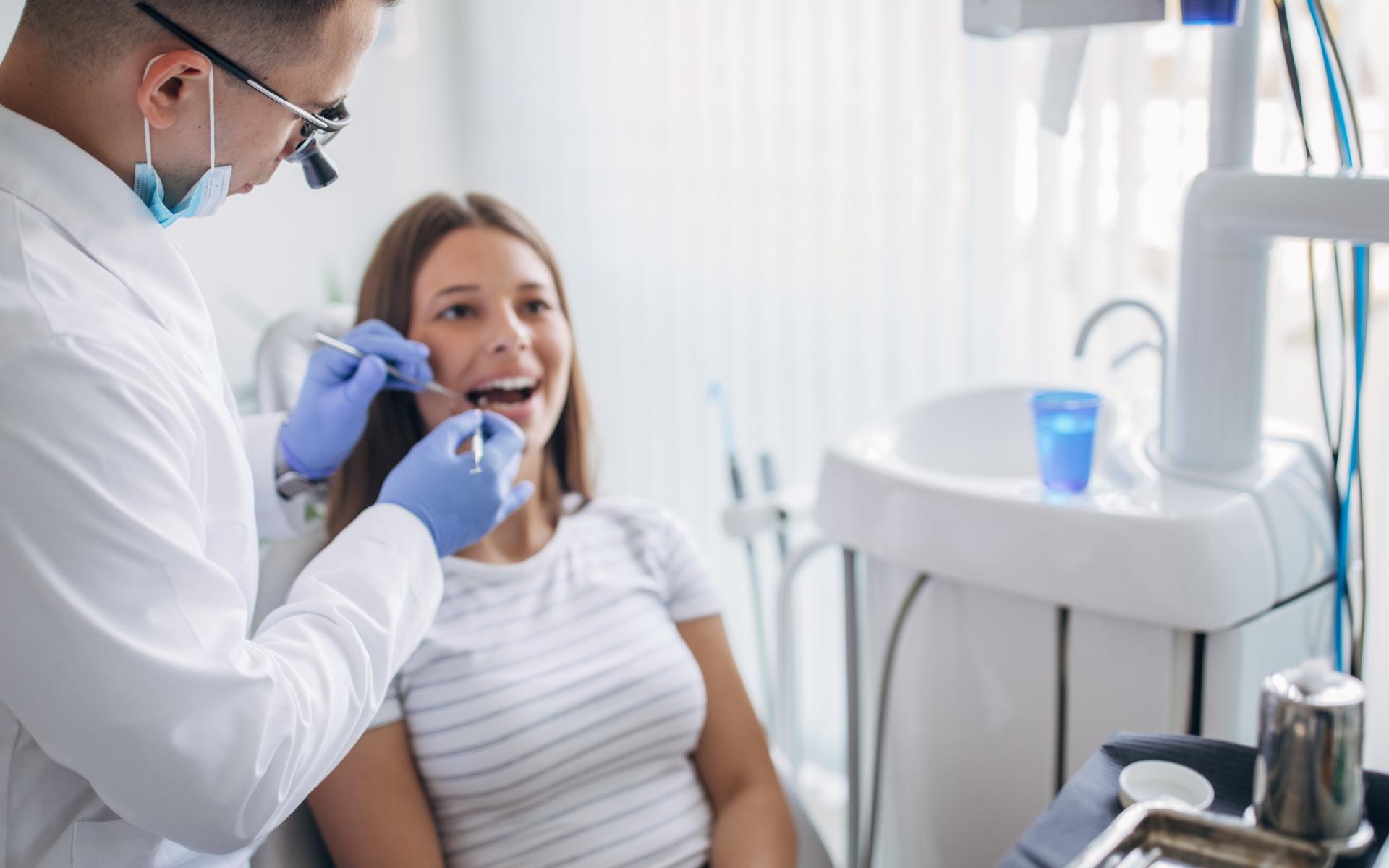
Many people visit a dentist only when they experience severe tooth pain, swelling or difficulty eating. Unfortunately, dental problems can develop quietly and may already be advanced by the time noticeable symptoms appear. A small cavity that could have been treated with a simple filling may eventually require root canal treatment, a dental crown or even tooth extraction.
Regular dental check-ups allow problems to be identified and managed at an earlier stage. Preventive dental care can help protect your natural teeth, maintain healthy gums and reduce the likelihood of needing complex and expensive dental procedures.
At Hollywood Smile, we provide comprehensive dental check-ups in Chandigarh for patients of different age groups. Our approach focuses on early diagnosis, personalized prevention and timely treatment to support long-term oral health.
What Is a Regular Dental Check-Up?
A dental check-up is a preventive appointment during which the dentist examines your teeth, gums, tongue and other areas of your mouth. The purpose is to assess your current oral health, identify potential problems and recommend suitable preventive or restorative care.
During an examination, your dentist may:
- Check for tooth decay and cavities
- Examine existing fillings, crowns and bridges
- Assess the health of your gums
- Look for plaque and tartar buildup
- Check for loose, cracked or damaged teeth
- Evaluate your bite and jaw
- Examine your tongue, cheeks, lips and other oral tissues
- Discuss tooth sensitivity, pain or bleeding gums
- Review your brushing, flossing and dietary habits
- Recommend dental X-rays when clinically necessary
NHS guidance states that a routine check-up includes examining the teeth, gums and mouth, discussing general health and oral concerns, and providing advice about diet, smoking, alcohol and teeth-cleaning habits.
Dental Problems Do Not Always Cause Early Pain
One of the main reasons regular dental examinations are important is that many dental conditions do not cause pain during their early stages. A cavity may grow gradually without producing obvious discomfort. Gum disease can also become serious before a person realizes there is a problem.
Waiting for pain often means waiting until the condition becomes more difficult to treat. By attending regular appointments, your dentist can identify changes that may not be visible or noticeable at home.
The American Dental Association explains that check-ups remain important even when a patient has no symptoms because they can prevent problems or allow existing conditions to be treated before they become advanced.
Early Cavity Detection Can Save Your Tooth
Tooth decay begins when acids produced by plaque bacteria damage the enamel. In its early stages, decay may not produce any symptoms. As the cavity becomes deeper, it can cause sensitivity, pain or infection.
When a cavity is identified early, it may be managed with preventive care or a relatively simple dental filling, depending on its stage. If it is left untreated and reaches the dental pulp, the tooth may require root canal treatment followed by a dental crown. In severe cases, the tooth may not be restorable and could require extraction and replacement.
Routine dental check-ups therefore help reduce the possibility of a minor cavity progressing into a painful and more expensive problem.
Preventing the Progression of Gum Disease
Gum disease often begins with gingivitis, which may cause red, swollen or bleeding gums. Because early gum disease is not always painful, patients may ignore these signs.
If plaque and tartar remain around or below the gumline, inflammation can progress and affect the tissues and bone supporting the teeth. Advanced gum disease may require deep cleaning, periodontal therapy or surgical treatment. It may also contribute to tooth mobility and tooth loss.
The Centers for Disease Control and Prevention notes that gum disease can become serious before symptoms are noticed and that regular dental check-ups can support its detection and prevention.
An early gum problem can often be addressed more easily than advanced periodontal disease. Your dentist can also recommend professional teeth cleaning and demonstrate more effective brushing and interdental-cleaning techniques.
Professional Cleaning Prevents Tartar Buildup
Even people who brush regularly may miss areas between the teeth, along the gumline or around crowded teeth. Plaque that is not removed can harden into tartar, which cannot be safely eliminated with an ordinary toothbrush.
During a dental check-up, your dentist can determine whether professional scaling and polishing are required. Removing accumulated plaque and tartar supports healthier gums and makes it easier to keep the mouth clean at home.
Professional teeth cleaning is preventive care, but it does not replace brushing twice daily and cleaning between the teeth. The best results come from combining good home care with professional guidance and regular dental examinations.
Dental Check-Ups Protect Existing Restorations
Fillings, crowns, bridges, dentures and dental implants require ongoing maintenance. Over time, a filling may wear, a crown may loosen or decay may develop around the edge of an existing restoration.
A patient may not notice these problems immediately. During a regular dental check-up, the dentist examines existing dental work and identifies any areas requiring attention.
Repairing a small defect early may help prevent the restoration from breaking completely or the underlying tooth from becoming infected. This can reduce the risk of needing replacement or more complex treatment later.
Early Examination of Cracks and Worn Teeth
Teeth can develop small cracks because of injury, biting hard foods, grinding or clenching. In the beginning, a crack may produce only occasional discomfort while chewing.
If the problem is ignored, the crack may enlarge and affect the deeper layers of the tooth. Depending on its severity, treatment may involve bonding, a dental crown, root canal therapy or extraction.
Regular examinations allow the dentist to look for worn surfaces, fractures and bite-related concerns. Patients who grind their teeth may be advised to use a protective night guard to reduce further damage.
Oral Tissue Examination Is Also Important
A dental check-up is not limited to checking for cavities. The dentist may also examine the gums, tongue, lips, cheeks and other soft tissues of the mouth for unusual changes.
Persistent ulcers, red or white patches, unexplained swelling, lumps or changes that do not heal require professional assessment. NHS guidance states that dental appointments can include checks for signs of tooth decay, gum disease and mouth cancer.
An examination does not mean that every unusual area is serious, but early professional evaluation is important.
Personalized Prevention Reduces Future Risk
Everyone has different oral-health needs. Some people are more likely to develop cavities, gum disease or tartar buildup because of their diet, oral-hygiene habits, medical conditions, medications or tobacco use.
During your check-up, the dentist may recommend personalized preventive measures such as:
- Improved brushing and flossing techniques
- Fluoride treatment
- Dental sealants
- Professional teeth cleaning
- Dietary changes
- Treatment for dry mouth
- A night guard for teeth grinding
- More frequent gum examinations
- Special cleaning methods for braces or implants
Preventive advice helps patients manage their individual risks before significant damage occurs.
How Regular Visits Can Reduce Dental Costs
Routine check-ups involve an immediate expense, but they can lower the likelihood of unexpected costs caused by untreated disease. Preventive care and early treatment are generally less complicated than procedures required for advanced dental problems.
For example:
- An early cavity may require a filling instead of root canal treatment and a crown.
- Early gingivitis may require professional cleaning rather than extensive periodontal therapy.
- A small crack may be protected before the tooth fractures.
- A loose restoration may be repaired before additional damage occurs.
- Early advice may reduce future decay and gum problems.
CDC data indicates that routine dental visits are associated with fewer treatments for oral and craniofacial conditions and lower dental-care costs.
Regular care cannot guarantee that complex treatment will never be needed, but it improves the opportunity to identify manageable problems earlier.
How Often Should You Have a Dental Check-Up?
There is no single interval suitable for every patient. Some people may be advised to visit every six months, while others may need more or less frequent examinations based on their oral health and risk factors.
The recommended schedule may depend on:
- History of cavities or gum disease
- Amount of plaque and tartar buildup
- Smoking or tobacco use
- Diabetes and other medical conditions
- Pregnancy
- Braces or clear aligners
- Dental implants, crowns or bridges
- Dry mouth
- Age and oral-hygiene habits
Your dentist should recommend your next appointment after assessing your individual needs. Do not delay a visit until the scheduled check-up if you develop pain, swelling, bleeding, a broken tooth or another urgent concern.
What Can You Do Between Dental Visits?
Regular dental examinations work best when supported by consistent care at home. Brush twice daily with fluoride toothpaste and clean between your teeth every day using floss or another recommended interdental cleaner.
Limit frequent sugary snacks and drinks, avoid smoking and tobacco, and drink enough water. Contact your dentist if you notice persistent pain, sensitivity, swollen gums, bleeding, bad breath, loose teeth or a mouth ulcer that does not heal.
Book a Dental Check-Up at Hollywood Smile Chandigarh
Hollywood Smile provides personalized dental check-ups in Chandigarh in a comfortable and hygienic clinical environment. Our team examines your teeth and gums, discusses your concerns and recommends appropriate preventive or restorative care.
Led by Dr. Prashant, MDS Endodontist with more than 15 years of experience, Hollywood Smile is committed to identifying dental problems early and helping patients protect their natural smiles.
Visit Hollywood Smile, SCO 139–140, First Floor, Sector 9C, Chandigarh, or call +91 82888 38222 to schedule your dental check-up in Chandigarh.